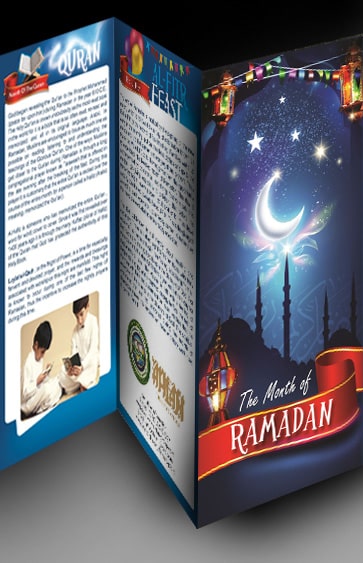

“What after Ramadan?” is a question occupying those who sincerely worship their Creator throughout the month. Muslims invest their hearts, minds, and actions in fasting, prayers, charity, and reflection, and naturally wonder how to maintain the spiritual momentum after the month ends.
After Ramadan, it is essential to reflect on the gains, preserve the rewards, avoid returning to sinful behavior, and continue acts of worship such as voluntary fasting, night prayers, charity, Qur’an recitation, and obedience to Allah.
This article explores the lessons of Ramadan, the risks of wasting its rewards, distinguishing those who succeed from those who fail, and practical guidance for maintaining faith and good deeds all year long.
What After Ramadan? Tips for Muslims to Continue Good Deeds
The end of Ramadan does not mean the end of worship. Muslims should strive to maintain their obedience, good deeds, and spiritual momentum throughout the year. Here are some practical tips:
1) Continue Fasting Voluntarily
Even after Ramadan, voluntary fasting remains a source of reward:
- Six days of Shawwal
- Three middle days of every lunar month (13th, 14th, 15th)
- Mondays and Thursdays
- Special days like Ashura, Arafah, and other recommended days
2) Maintain Night Prayers
The night prayers of Taraweeh and Tahajjud do not end with Ramadan. Muslims are encouraged to pray at night throughout the year, following the example of the pious:
“They used to sleep only little in the night.” (Qur’an 51:17, Surah adh-Dhariyat)
3) Keep Giving Charity
Charity is not limited to Ramadan. Continue to:
- Give voluntary charity (Sadaqah)
- Support those in need at all times
- Maintain the habit of generosity and helping others
4) Read, Recite, and Listen to the Qur’an
- The Qur’an is for all times and places, not just Ramadan
- Regular recitation, study, and reflection strengthen faith and guidance
5) Be Consistent with Obligatory Acts
Do not neglect obligatory acts, especially the five daily prayers in congregation:
“When the prayers are over, remember Allah—whether you are standing, sitting, or lying down. But when you are secure, establish regular prayers. Indeed, performing prayers is a duty on the believers at the appointed times.” (Qur’an 4:103, Surah an-Nisa)
6) Avoid Forbidden Acts
Stay away from actions and habits that invalidate spiritual progress, such as:
- Consuming forbidden foods and drinks
- Watching or listening to films, videos, or content that is prohibited
- Engaging in any other sinful or immoral activities
Read more:
Reflection and Evaluation are Necessary After Ramadan
Ramadan is more than just fasting and prayer—it is a spiritual journey that tests our faith, patience, and character. After Ramadan, it’s important to reflect and evaluate what we have gained and how we can continue the lessons learned.
Ask yourself:
- Have we fulfilled our religious duties during Ramadan?
- Did we control our desires, anger, and whims?
- Have we sincerely sought the mercy and forgiveness of Allah?
- Did we strive to free ourselves from Hellfire through righteous deeds?
Ramadan also emphasizes good conduct towards others. Giving charity (alms), maintaining strong family ties, and keeping peaceful and respectful relationships with neighbors, relatives, friends, and colleagues are essential parts of success in Ramadan.
If you have sincerely tried to fulfill these duties, it is a sign of having passed the test of Ramadan. Now, the goal is to remain steadfast in worship and good deeds throughout the rest of the year until you meet your Lord. Prophet Muhammad carried great tidings for true fasters:
The Messenger of Allah ( PBUH) said:
“The fasting person has two joys, one when he breaks his fast and another when he meets his Lord.”
( Jami’ at-Termidhi / 766).
Read also:
Save Your Ramadan Rewards
Do not be like the woman mentioned in Surah An-Nahl (16:92) who “unraveled her yarn after it was firmly spun”:
“Do not be like the woman who ˹foolishly˺ unravels her yarn after it is firmly spun.”
(16:92)
This verse reminds us of an important lesson: if after Ramadan we return to sins, disobedience, or harmful deeds, it is as if we have wasted all the good deeds we earned during the month. Just as a person who collects a fortune only to throw it away acts foolishly, so is the one who loses the spiritual gains of Ramadan.
How grave it is for those who recognize Allah’s blessings in Ramadan yet neglect their duties afterward—they risk Allah’s wrath both in this world and in the Hereafter.
Thus, Guard your Ramadan rewards by maintaining prayers, good deeds, obedience, and kindness throughout the year.
Read more:
Avoid Falling Short in Obeying Allah After Ramadan
My dear brothers and sisters, it is common for Muslims to fall short in obedience to Allah after Ramadan, despite the spiritual momentum gained during the month. This can happen in several ways:
- Neglecting prayers: Many stop attending the five daily prayers in congregation, even though they once filled the mosques for Taraweeh and Tahajjud during Ramadan.
- Returning to sinful entertainment: Some return to forbidden films, obscene content, or other sinful acts, undoing the spiritual gains of Ramadan.
- Neglecting modesty and social boundaries: Women may stop observing proper modesty, and mixing between men and women resumes without caution.
The lesson is clear: the end of Ramadan should not mark the end of obedience. True success lies in maintaining regular prayers, modesty, and avoidance of sins throughout the year.
Read:
Eid al‑Fitr: A Gift for Those Who Succeeded—and a Test for Others
Eid al‑Fitr is not merely a celebration; it is a reflection of one’s success or failure in Ramadan. It is a reward for those who fulfilled their fasting and worship sincerely, and a reminder for those who fall back into negligence after the month ends.
a) Eid al‑Fitr: Joy for Those Who Succeeded
Muslims who fasted Ramadan sincerely and worshiped Allah to the best of their ability rejoice on Eid al‑Fitr. They praise Allah, the Exalted, for granting them the ability to fast, pray, and obey Him. Their gratitude is reflected in their continued obedience after Ramadan, not only during it.
Allah ﷻ says:
“And ˹remember˺ when your Lord proclaimed, ‘If you are grateful, I will certainly give you more. But if you are ungrateful, surely My punishment is severe.’”
As a result of their gratitude, Allah increases them in faith and righteous deeds, and they remain steadfast in obedience throughout the year.
b) Eid al‑Fitr: A Wake‑Up Call for Those Who Failed the Test
In contrast, some people devote themselves to worship during Ramadan but abandon obedience afterward. They return to their old habits, neglect the mosques, and abandon religious duties. This behavior reflects ingratitude toward Allah and indicates that they failed the test of Ramadan, placing the acceptance of their deeds at risk.
It must be remembered that Allah is the Lord of Ramadan and all other months of the year, and obedience to Him is not seasonal.
Allah ﷻ says:
“So be steadfast as you are commanded ˹O Prophet˺, along with those who turn ˹in submission to Allah˺ with you. And do not transgress. Surely He is All‑Seeing of what you ˹believers˺ do.”
The Prophet ﷺ emphasized this principle clearly. In Hadith 21 of the Forty Hadith of an‑Nawawi, Sufyan ibn ʿAbdullah ath‑Thaqafi (رضي الله عنه) reported:
“I said, ‘O Messenger of Allah, tell me something about Islam that I will not need to ask anyone else about.’
He ﷺ said: ‘Say: I believe in Allah—and then remain steadfast.’”(Muslim)
In essence, Eid al‑Fitr reveals the true outcome of Ramadan: Those who continue obedience have truly succeeded, while those who abandon it are called to repent and return to Allah.
For more about Ramadan, read:
Conclusion
To conclude, what after Ramadan for Muslims should be a significant issue to consider. Muslims are encouraged to reflect on their spiritual gains, maintain obedience to Allah, and continue the worship and good deeds that were strengthened during the holy month. The key is to remain steadfast, avoid sin, and seek Allah’s guidance, just as the Prophet ﷺ supplicated:
“O changer of the hearts, make my heart firm upon Your religion.”
(Jami‘ at-Tirmidhi 3522)
The article goes through the following points for better preservation and evaluation of Ramadan gains:
Reflect and Evaluate: Assess your Ramadan gains—prayers, fasting, self-control, and good conduct.
Save Your Rewards: Avoid sins and maintain obedience to preserve the spiritual benefits earned.
Stay Steadfast in Worship: Continue the five daily prayers, night prayers, and other acts of devotion.
Eid al-Fitr Reminder: Celebrate as a reward if you succeeded in Ramadan; otherwise, remain cautious and repent.
Continue Good Deeds: Keep fasting voluntarily, giving charity, reading Qur’an, and performing night prayers.
Avoid Forbidden Acts: Stay away from prohibited foods, content, and immoral behaviors.
What about your Ramadan? Was it a step forward for the light of true faith and happiness, or still the same? Start a WhatsApp conversation with our team for better suggestions to make a better life!