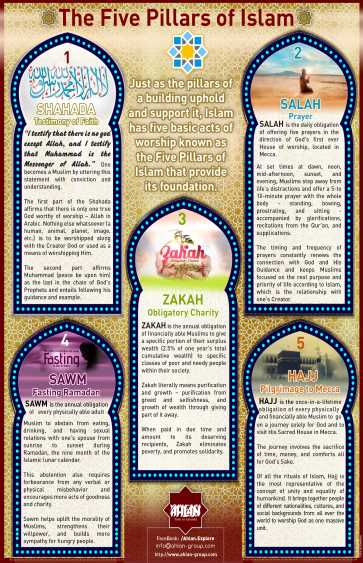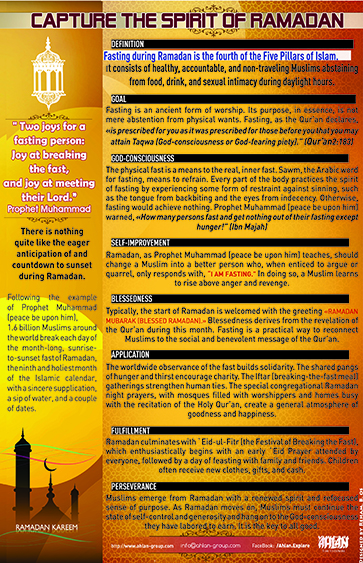
Fasting during Ramadan is more than a cultural ritual—it reflects the wisdom of a Wise Creator and the universal principles shared by many religions: self-discipline, mindfulness, and ethical living. The benefits of Ramadan fasting extend beyond the individual, promoting mental clarity, emotional balance, and a deeper awareness of one’s purpose in life.
This article explores the key benefits of Ramadan fasting, including spiritual and moral renewal, mental and emotional well-being, physical health improvements, self-discipline, and social harmony. By understanding these practices, we can appreciate how this Islamic tradition embodies timeless divine universal Wisdom applicable to anyone seeking personal growth and ethical reflection.
What Are the Spiritual Benefits of Ramadan Fasting?
The spiritual benefits of fasting Ramadan appear through the combined effect of abstention, worship, Quran engagement, and the unique divine atmosphere of the month. Ramadan is a period designed for deep spiritual renewal and reconnection with Allah.
Fasting in Ramadan Revives and Nourishes the Soul
The soul can only be nourished through what its Creator has prescribed. Fasting in Ramadan, along with prayer, remembrance, and Quran recitation, acts as spiritual nourishment that revives the heart and restores inner balance. Living by divine guidance allows the soul to function as it was created to.
Ramadan Fasting Deepens the Connection With the Quran
Ramadan is uniquely linked to the Quran, which speaks directly to the soul’s struggles, fears, and purpose. Through fasting, the heart becomes more receptive, allowing the Quran’s guidance and healing to take root.
Allah says:
“The month of Ramadan [is that] in which was revealed the Quran, a guidance for the people and clear proofs of guidance and criterion.”
The Spiritual Atmosphere of Ramadan Supports Inner Renewal
One of the special blessings of Ramadan fasting is the universal spiritual shift that supports repentance and spiritual growth. The Prophet Muhammad ﷺ said:
“When Ramadan begins, the gates of Paradise are opened, the gates of Hell are closed, and the devils are chained.”
This atmosphere makes obedience easier and encourages believers to turn sincerely to Allah.
Fasting Ramadan as a Means of Forgiveness and Heart Purification
Sincere fasting in Ramadan is a powerful means of forgiveness of sins, which are among the greatest barriers to spiritual elevation. Through fasting, repentance, and increased worship, the heart is cleansed and drawn closer to Allah.
Salvation and Mercy: The Ultimate Spiritual Reward of Ramadan Fasting
One of the greatest hopes tied to fasting Ramadan is freedom from Hellfire and attainment of Allah’s mercy. Every act of fasting, prayer, and sincerity strengthens this hope and prepares the soul for success in the Hereafter.
To sum up, fasting Ramadan offers a comprehensive spiritual transformation by reviving the soul, strengthening the bond with the Quran, purifying the heart, and opening the doors of divine mercy. It is a divinely designed opportunity for believers to realign their lives with faith and purpose.
Read also:
What Are the Medical Benefits of Fasting in Ramadan? How does Ramadan fasting affect your body?
Islamic fasting—most notably Ramadan fasting from dawn to sunset—closely resembles modern time-restricted eating, a well-studied form of intermittent fasting. Although the primary purpose of fasting in Islam is spiritual, contemporary medical research demonstrates that similar fasting patterns produce measurable health benefits.
Metabolic Switching and Energy Regulation
The central mechanism underlying fasting’s medical benefits is metabolic switching. During prolonged fasting, the body shifts from glucose dependence to fat-derived ketone bodies, which act not only as fuel but also as signaling molecules that regulate cellular function, stress resistance, and inflammation (De Cabo & Mattson, 2019). This metabolic adaptation enhances glucose regulation, reduces oxidative stress, and activates cellular repair processes, with benefits extending beyond fasting hours.
Weight Management and Blood Sugar Control
Intermittent fasting protocols—including time-restricted eating—consistently produce mild to moderate weight loss (1–8% from baseline) and reduce caloric intake by 10–30% without slowing metabolic rate (Varady et al., 2021). Research also shows improved insulin sensitivity and better glycemic control, with reductions in fasting glucose and HbA1c levels observed in individuals with prediabetes and type 2 diabetes (Peterson et al., 2025).
Cardiovascular and Cardiometabolic Health
Fasting significantly improves cardiovascular markers, including lower blood pressure, reduced LDL cholesterol and triglycerides, and increased HDL cholesterol (Maroofi & Nasrollahzadeh, 2020). A systematic review of randomized controlled trials concluded that fasting reduces overall cardiometabolic risk by simultaneously improving lipid profiles, insulin resistance, body weight, and inflammatory markers—an effect rarely achieved by single pharmacological interventions (Hailu et al., 2024).
Cellular Repair and Inflammation Reduction
Fasting activates autophagy, a key cellular repair mechanism that removes damaged components and supports healthy aging. It also lowers chronic inflammation, including reductions in C-reactive protein, a major cardiovascular risk marker (De Cabo & Mattson, 2019). Clinical trials further demonstrate that short-term caloric or protein restriction reduces systemic inflammation and improves blood pressure and lipid levels (Ferraz-Bannitz et al., 2022).
Brain Health and Cognitive Support
Fasting stimulates the production of brain-derived neurotrophic factor (BDNF), which supports neurogenesis and cognitive resilience. Ketone bodies produced during fasting provide an efficient alternative energy source for the brain, particularly beneficial in aging and conditions of impaired glucose metabolism. Studies report cognitive improvements and neuroprotective effects in individuals with mild cognitive impairment (Peterson et al., 2025).
To sum up, while fasting in Islam is primarily an act of worship, medical science increasingly confirms that fasting patterns resembling Islamic practice provide wide-ranging physiological benefits. These include improved metabolic health, cardiovascular protection, cellular repair, brain support, and hormonal regulation.
Read more:
What Are the Psychological Benefits of Fasting Ramadan?
Ramadan fasting is mainly a religious practice. Still, its psychological effects closely align with findings from modern psychology and behavioral science. The structured fasting routine—abstaining from food and drink from dawn to sunset—resembles forms of time-restricted eating, which research links to emotional regulation, stress resilience, and improved mental well-being.
Strengthening Willpower and Self-Control
Fasting trains self-regulation, a core psychological skill linked to success and emotional stability. Repeated daily restraint improves impulse control and decision-making, similar to findings in self-control and habit-formation research (Baumeister et al., 2007).
Inner Calm & Sense of Achievement Promoted by Fasting
Many people report a sense of tranquility and emotional balance while fasting. Clinical observations show that fasting is often accompanied by improved mood, increased alertness, and reduced emotional volatility.
Successfully completing daily fasts builds self-efficacy, a key factor in mental well-being. Research shows that perceived self-control and accomplishment are strongly associated with reduced anxiety and improved confidence.
Fasting Teaches Discipline, Patience, and Habit Change
Ramadan provides a structured environment for behavioral change. Psychology research shows that consistent routines over 3–4 weeks are effective for breaking habits and forming new ones, aligning with the 30-day Ramadan model (Lally et al., 2010).
Better Sleep and Circadian Rhythm Alignment through Fasting
Time-restricted eating improves circadian rhythm regulation, which is essential for mental health. Research on Ramadan fasting shows reductions in insomnia, anxiety, and depressive symptoms, particularly in older adults (Ajabnoor et al., 2017).
Fasting Regulates Fears
Emerging studies suggest that extended fasting periods (around 16 hours) may enhance stress tolerance and fear regulation, potentially reducing anxiety relapse and emotional overreaction (Mason et al., 2023).
Therefore, even when viewed outside its religious framework, Ramadan fasting aligns closely with evidence-based psychological practices. By strengthening self-control, stabilizing mood, improving sleep, and enhancing mindfulness, fasting offers a comprehensive mental reset with benefits that can extend well beyond the month itself.
Read:
What Are the Benefits of Fasting Outside Ramadan?
While Ramadan is the obligatory month of fasting, Islam encourages voluntary fasting throughout the year. The spiritual, moral, and personal benefits of fasting are not limited to Ramadan; rather, they extend to all forms of Sunnah and voluntary fasts.
Increased Reward for Voluntary Fasting in Islam
Fasting holds a unique and elevated status in Islam. Allah rewards fasting directly, without measure, due to its sincerity and hidden nature. The Prophet Muhammad ﷺ said:
“Every good deed of the son of Adam will be multiplied from ten to seven hundred times. Allah says: ‘Except for fasting, for it is for Me, and I give its reward. He gives up his desires and his food for My sake.’”
(Agreed upon)
This applies equally to fasting outside Ramadan when done sincerely for Allah.
Protection From Hellfire Through Regular Fasting
One of the great benefits of voluntary fasting is protection from Hellfire. Regular fasting softens the heart, increases taqwa (God-consciousness), and keeps a believer mindful of accountability and the Hereafter.
Fasting Develops Patience and Guards Morality
Fasting outside Ramadan continues the training of patience and self-control. By restraining desires willingly, believers strengthen their ability to endure hardship and resist temptation in daily life.
Moreover, fasting helps control physical desires and protects against immoral behavior. The Prophet ﷺ advised fasting as a shield for those unable to marry, as it weakens desires and promotes moral purity.
Preservation of Physical and Spiritual Benefits of Ramadan Fasting
Voluntary fasting supports both spiritual growth and physical well-being. It preserves the heart’s connection to Allah while reinforcing healthy restraint and balance, making fasting a holistic act of worship beyond Ramadan.
To sum up, fasting outside Ramadan helps believers preserve the spirit of Ramadan throughout the year. It increases reward, strengthens patience, protects from sin, and keeps the heart attached to Allah—making it one of the most powerful and consistent voluntary acts of worship in Islam.
Read also:
Conclusion
To conclude, Ramadan fasting offers profound benefits of Ramadan fasting for the soul, mind, and body, combining spiritual elevation with psychological and physical well-being. By observing this blessed month, Muslims experience growth, discipline, and inner peace that extend beyond Ramadan itself. The article discussed the following main items:
- Spiritual benefit of Ramadan Fasting: Ramadan fasting revives the soul, strengthens connection with Allah, controls desires, encourages patience, and purifies the heart.
- Ramadan Fasting Psychological Benefits: Builds willpower, enhances mindfulness, and reduces stress.
- Physical and Medical Benefits of Fasting: Supports weight management, improves metabolic health, and strengthens self-discipline.
Come on! Embrace a life full of the benefits of Ramadan fasting in Islam. Read the Quran to understand yourself, find solutions to life’s challenges, and nurture both your soul and body. It’s only a few simple steps to become a Muslim with countless benefits in this life and the afterlife. Start a fruitful WhatsApp conversation with our team right now to take action!