Curious to know what Ramadan is in Islam and why it is such a special month for Muslims, transforming both their daily routines and spiritual life? During Ramadan, Muslims fast from dawn to sunset, using this sacred practice to grow closer to Allah, develop self-discipline, and cultivate gratitude.
This guide explores the key aspects of Ramadan in Muslim life, including its spiritual significance, common practices, and community observances. It also provides insights into fasting rules, helping non-Muslims understand the main concepts of this holy month.
What is Ramadan?
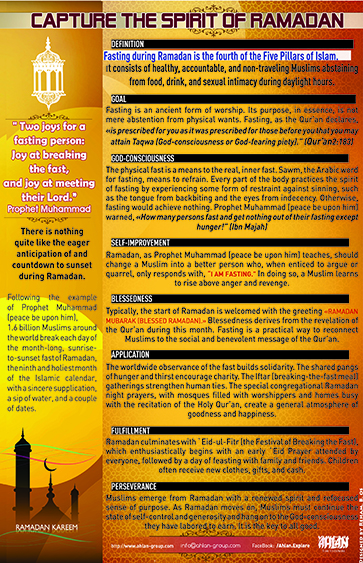
Ramadan is the ninth month of the Islamic lunar calendar and holds a central place in Islam, as fasting during it is one of the Five Pillars of Islam. It is also the blessed month in which the Qur’an was first revealed to Prophet Muhammad (peace be upon him). Spiritually, Ramadan marks a new beginning, as the record of deeds starts afresh after the deeds of the previous year are raised in the month of Shaban.
Fasting means abstaining from food, drink, and marital relations from dawn (Fajr) until sunset (Maghrib), while also exercising greater self-discipline, good character, and mindfulness of Allah.
However, fasting in Islam is not limited to refraining from physical acts during daylight hours. As taught by Prophet Muhammad (peace be upon him), it is a complete day-and-night observance of sincerity and obedience to God. This includes avoiding sins, controlling one’s behavior, and striving for good character both during the fast and after sunset. Today, many non-Muslims also attempt the “fasting challenge,” often drawn by the health benefits of fasting that have gained increasing recognition in modern research.
Read also: Ramadan for non-Muslims
Who is Required to Fast during Ramadan?
Fasting during the month of Ramadan is obligatory for every adult, sane, and physically capable Muslim. It is one of the Five Pillars of Islam, which makes it a fundamental act of worship in the Islamic faith.
Why Do Muslims Celebrate Ramadan?
Muslims observe Ramadan as a special gift from God—a time of forgiveness, mercy, and spiritual renewal. Islamic teachings explain that during this month the influence of evil is reduced, as the major devils are restrained, giving believers a real chance to correct their path and grow closer to Allah. For this reason, Ramadan becomes a period of deeper devotion, with Muslims spending more time reading the Qur’an, praying, and reflecting on their actions.
At the same time, celebrating Ramadan must remain within Islamic guidance. Practices seen in some communities—such as musical shows, dancing, (it’s forbidden in Islam) or turning Ramadan into a season of excessive shopping and consumption—do not reflect the true spirit of the month. Islam encourages simplicity, self-control, and sincerity rather than entertainment or materialism.
The true celebration Islam teaches comes at the end of Ramadan with Eid al-Fitr. It is a joyful day of gratitude, marking the successful completion of fasting and worship, and thanking the One God for His guidance, mercy, and blessings.
Read more:
What do muslims do during Ramadan?
While fasting is the main and obligatory act of worship in Ramadan, this month is unique in Islam because it includes several forms of devotion that shape a Muslim’s daily life and spiritual focus:
- Fasting (Sawm): Muslims fast from dawn (Fajr) until sunset (Maghrib), abstaining from food, drink, and marital relations. This fast is a religious obligation and is meant to build self-discipline, patience, and awareness of God.
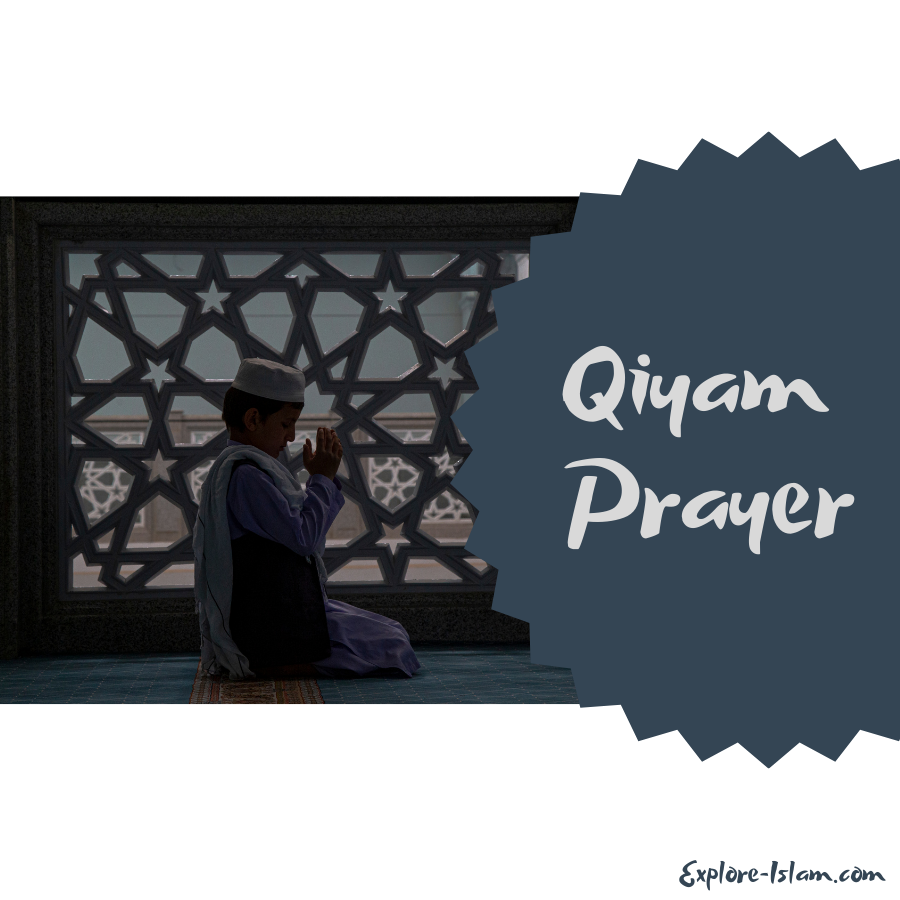
- Night Prayers (Taraweeh): In addition to the five daily prayers, Muslims perform a recommended voluntary prayer called Taraweeh & Tahajjud. Its time starts after the night prayer (Isha) and continues until dawn, either at the masjid or at home.
- Increased Focus on the Quran: Ramadan is the month in which the Qur’an was revealed, so Muslims give it special attention. Many aim to read or listen to the entire Qur’an during the month, and to study the meanings of the Quran, following the practice of Prophet Muhammad (peace be upon him), who used to study and review the Quran with Angel Gabriel every Ramadan.
For more about the actions and forms of worship Muslims observe during Ramadan, read: Accepted and rejected practices, events, and activities in Ramadan
What is the importance of Ramadan in Islam?
Ramadan is one of the most important and transformative periods in the Muslim year. It is a unique opportunity for sincere believers to make meaningful spiritual changes, strengthen their faith, and renew their relationship with God. Its importance in Islam is rooted in several key reasons:
- The Beginning of Qur’an Revelation in Ramadan:
Ramadan is the month in which the Holy Qur’an was first revealed to Prophet Muhammad (peace be upon him). Allah says in the Qur’an:
“The month of Ramadan is the one in which the Qur’an was revealed, as guidance for mankind and clear proofs of guidance and the criterion.” (Quran 2:185)
For this reason, the impact of the Qur’an during Ramadan is especially powerful in shaping the heart, soul, and daily life of a Muslim. - Fasting Ramadan Is a Pillar of Islam:
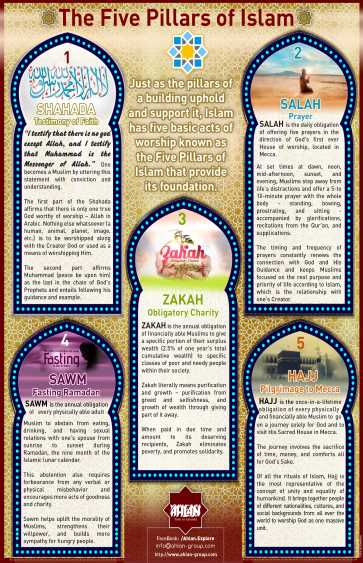
Fasting in Ramadan is one of the Five Pillars of Islam. Abandoning this obligation without a valid reason is a major sin, and denying its obligation altogether can take a person outside the fold of Islam. This highlights how central Ramadan fasting is to a Muslim’s faith and commitment. - A Real Opportunity for Change in Ramadan:
Ramadan offers a rare chance for genuine transformation. Islamic teachings explain that during this month the major devils are restrained, and when combined with the strong communal atmosphere of worship, this divine support makes repentance and personal change more achievable. - A Divine Promise of Forgiveness through Ramadan:
Ramadan comes with a clear promise of forgiveness for those who fast sincerely, with faith, and seeking reward from Allah. The Prophet Muhammad (peace be upon him) said:
“Whoever fasts Ramadan with faith and seeking reward from Allah, his past sins will be forgiven.” (Al-Bukhari and Muslim)
This forgiveness applies to minor sins, provided major sins are avoided. - Laylat al-Qadr (The Night of Decree) is a Ramadan special night:
Within Ramadan is Laylat al-Qadr, a blessed night in which Allah grants immense mercy, forgiveness, and reward. It is a night better than a thousand months, during which Allah may forgive sins, free people from Hellfire, and decree matters according to His wisdom and will.
Together, these reasons make Ramadan a central pillar of Islamic life and a once-a-year opportunity for deep spiritual renewal and lasting positive change.
Read also:
How to Greet Muslims during Ramadan?
There is no specific greeting for Ramadan mentioned in the Qur’an or explicitly prescribed in the traditions of Prophet Muhammad (peace be upon him). Because of this, Muslims are flexible and welcoming when it comes to greetings that express goodwill and happiness during this blessed month.
Common and widely accepted greetings include “Ramadan Mubarak” (meaning Have a blessed Ramadan) or “Ramadan Kareem” (meaning Have a generous Ramadan). Any greeting that sincerely expresses joy, respect, and good wishes for this special time is considered appropriate and well-received by Muslims.
Read also: Ramadan greetings
Why do Muslims Fast during Ramadan?
Muslims fast during Ramadan first and foremost to obey Allah and strengthen their connection with Him. Fasting teaches patience, self-discipline, and compassion for those who are less fortunate, helping believers develop moral and spiritual awareness.
It also allows Muslims to control desires, cultivate God-consciousness (taqwa), and practice gratitude for Allah’s blessings. Beyond personal growth, fasting elevates the soul and positively impacts the wider community.
Read more:
How to Fast in Ramadan as a Muslim?
Muslims are obligated to fast every day of Ramadan from dawn (Fajr) until sunset (Maghrib). Fasting is an obligatory act of worship that requires abstaining from food, drink, and marital relations with one’s spouse during daylight hours. However, this physical abstinence represents only the minimum requirement of fasting.
The Prophet (peace be upon him) clarified that fasting is not limited to the daytime alone. Rather, it is a full day-and-night commitment to please Allah by doing what He loves and avoiding what He dislikes. True fasting means controlling one’s behavior, speech, and actions, and staying away from lies, false conduct, and sinful behavior.
“If one does not give up false speech and acting upon it, Allah has no need of him leaving his food and drink.”
(Bukhari)
This hadith highlights that the true essence of fasting lies in inner reform and conscious obedience to God, not merely physical hunger and thirst.
Read also: Hadiths and Quran verses about Ramadan
Can You Participate in Ramadan If You’re Not Muslim?
Fasting during Ramadan is one of the Five Pillars of Islam and is an obligatory act of worship for Muslims. However, non-Muslims are welcome to try fasting as a personal experience to learn about Islamic practices, develop empathy for those who fast, or explore the spiritual and physical aspects of the month.
It’s important to note that for non-Muslims, this practice is not considered an act of worship toward Allah, but rather a meaningful way to understand Ramadan, experience self-discipline, and appreciate the spiritual significance of fasting in Islam.
Read also: History of Ramadan
What do Muslims Eat during Ramadan?
It is recommended that before sunrise, Muslims eat a prefast meal known as suhur. This meal often resembles breakfast, but in some cultures it may include more dinner-like foods.
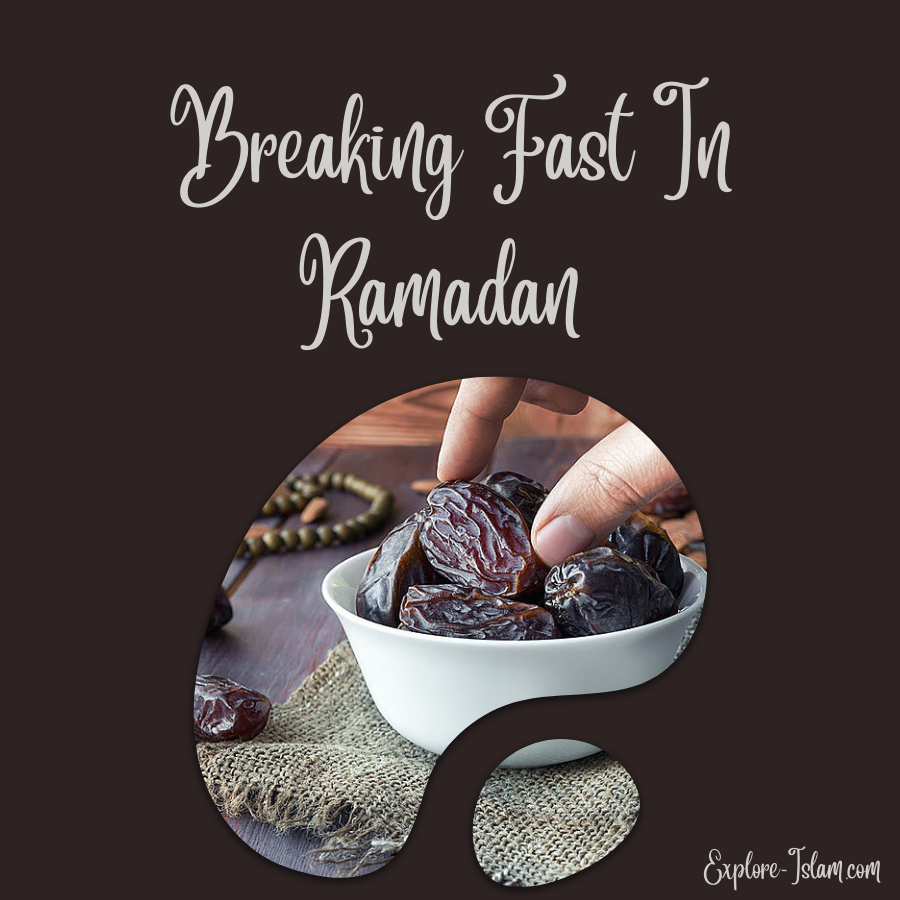
After sundown, Muslims break their fast with iftar, a meal which usually starts with dates and water or milk, followed by dinner. Muslims are permitted to snack at night between those two meals, and hydration is encouraged, especially when Ramadan falls during summer.
For suhur, iftar and snacks, Muslims can more easily make it to sundown by eating high-fiber meals to sustain satiety over longer periods, fruits and vegetables to maintain electrolyte stores, and plenty of fluids to maintain hydration.
Read more:
Can Muslims Listen to Music During Ramadan?
Listening to music is generally not allowed in Islam, whether during Ramadan or any other month. Ramadan is a sacred time meant for worship, reflection, and recharging one’s faith, focusing on spiritual growth rather than entertainment.
Can Muslims Have Sex During Ramadan?
Fasting during Ramadan is observed from dawn to sunset, during which eating, drinking, and sexual intercourse are prohibited. After sunset, sexual relations are permitted until the next dawn.
Can Muslims Drink Water During Ramadan?
No. Fasting requires abstaining from all food and drink, including water and gum, from dawn until sunset. After sunset, Muslims may eat and drink until the next dawn.
Can Muslims Travel During Ramadan?
Yes. Muslims who meet certain travel conditions may break their fast while traveling and make up the missed fasts after Ramadan.
Do Muslims Work During Ramadan?
Yes, Muslims can work during Ramadan. The Prophet’s companions even participated in major battles, like the Battle of Badr, while fasting. Some Muslims, however, prefer to reduce working hours, especially during the last ten days, to dedicate more time to worship.
Read more:
Conclusion
To conclude, Ramadan is a sacred and transformative month in Islam, a time for fasting, worship, and spiritual growth. Understanding what is Ramadan in Islam helps both Muslims and non-Muslims appreciate its purpose, practices, and blessings. The article covers the following points:
- What is Ramadan in Islam? – The ninth month of the Islamic lunar calendar, Ramadan is when the Quran was revealed and Muslims fast as a key pillar of Islam. The fasting concept extends beyond abstaining from food and drink to avoiding sinful behavior.
- Who is Required to Fast during Ramadan? – Fasting is mandatory for adult, sane, and capable Muslims.
- What Do Muslims Do During Ramadan? – Fasting, night prayers (Taraweeh), and increased focus on the Quran are central acts of worship during this month.
- What Is the Importance of Ramadan in Islam? – Ramadan provides spiritual purification, moral growth, divine forgiveness, and the chance to experience Laylat al-Qadr.
- How to Greet Muslims During Ramadan? – Common greetings like “Ramadan Mubarak” express goodwill and respect during the month.
- Why Do Muslims Fast During Ramadan? – Fasting strengthens faith, teaches self-discipline, compassion, gratitude, and cultivates God-consciousness (taqwa).
- How to Fast in Ramadan as a Muslim? – Fasting involves abstaining from food, drink, and marital relations during daylight and avoiding sinful behavior at all times.
- Can You Participate in Ramadan if You’re Not Muslim? – Non-Muslims may try fasting to understand Islamic practices, though it is not considered an act of worship.
- Can Muslims Listen to Music, Have Sex, Drink Water, Travel, or Work During Ramadan? – Music is prohibited; sexual relations are allowed only at night; no food or drink is allowed during daylight; travel may allow breaking the fast under conditions; work is permissible, though some reduce hours for extra worship.
Whether you’re curious about Islamic traditions or seeking to understand the practices of over a billion Muslims worldwide, it’s your time to experience a glimpse of this sacred month through fasting, reflection, or observing its customs, and discover the deeper spiritual values that guide Muslim life.
Share your experience, thoughts, and questions with our team right now for a better understanding! Waiting for your WhatsApp message right now!