Ramadan Activities For Kids offer a unique opportunity to make the holy month engaging, educational, and spiritually enriching for children. The positive changes they observe in adults’ behavior, the family routines, and the blessed timings of Ramadan help plant lasting values in their hearts. By incorporating simple and thoughtful activities, kids can learn patience, generosity, gratitude, and a love for reflection—all while experiencing the true spirit of Ramadan.
The article goes through some inspiring Ramadan Activities For Kids to try this year to make the month both fun and meaningful.
Objectives of Ramadan Activities for Kids
When planning Ramadan activities for kids, the main goal is not only to keep children busy but to help them grow emotionally, ethically, and spiritually in age-appropriate ways. Ramadan is a special month in Islam that encourages reflection, self-control, kindness, and positive behavior, making it an ideal time for educational and character-building activities for children.
For Muslim families, these activities are designed around three connected objectives: building belief, practicing meaningful routines, and developing good behavior. Together, these goals help children understand values that shape their identity and guide their actions in everyday life.
Related Articles about Ramadan:
Building Belief Through Ramadan Activities for Kids
A key purpose of Ramadan activities for kids is helping children understand basic beliefs in a simple and comforting way. Children are encouraged to learn about God, the idea of purpose in life, and the importance of accountability and kindness. Questions such as Why are we here? and How should we treat others? are introduced gently, according to the child’s age and level of understanding.
Being familiar with these ideas from an early age helps children feel connected to their beliefs rather than distant from them. This sense of purpose often becomes a source of confidence and emotional stability as they grow.
Learn About the Names of Almighty God
One meaningful Ramadan activity for kids is learning about the Names and attributes of the Almighty One God in a simple and age-appropriate way. Short daily sessions help children understand God’s mercy, wisdom, and care. This activity strengthens faith while encouraging reflection and positive character development.
You can keep lessons 5–10 minutes daily before iftar or bedtime.
Use: One Name, One sentence explanation, and One small action for the day
Example: “Today we learn *As-Samee’ (The All-Hearing). God hears us when we speak kindly.”

Read and Share Stories of the Prophets
Children naturally connect with stories, making the stories of the Prophets an excellent educational activity during Ramadan. These stories introduce core Islamic values, explain the purpose of life, and present strong moral role models. Summarizing lessons after each story helps children relate them to everyday life.
Connect each Prophet’s story to a daily character challenge Example:
- Day 5: Be patient like Prophet Nuh
- Day 10: Forgive like Prophet Yusuf
Explore the Life of Prophet Muhammad (Seerah)
Learning about the life of Prophet Muhammad (peace be upon him) is a central Ramadan activity for kids. His biography teaches kindness, patience, leadership, and compassion through real-life examples. As children learn more about his character, they naturally develop admiration and a desire to follow good conduct.
Create character cards based on the Prophet’s qualities: Mercy, Honesty, Patience, Respect
Each day, pick one card and explain how the Prophet showed this quality in real life.

Talk About Life, Accountability, and the Hereafter
Ramadan is also a suitable time to discuss big questions children often ask, such as the purpose of life and what happens after death. Teaching about the Hereafter in a balanced way helps children understand responsibility, hope, and consequences. These discussions encourage critical thinking and help children value truth, goodness, and accountability from an early age.
Create a safe Question Box where children can write or draw questions about life, death, or God.
Answer them calmly and honestly during Ramadan sessions.

Read more: Ramadan Activities for adults
Introducing Worship in Ramadan Activities for Kids
Ramadan is a month focused on worship, but children are not required to follow religious duties strictly. Instead, Ramadan activities for kids introduce worship in a gradual and positive way. Simple practices—such as joining family moments of reflection, and learning short prayers—help children feel included without pressure.
Read the Noble Quran
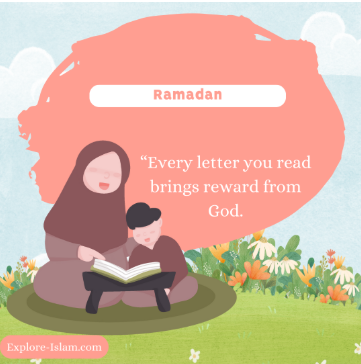
Encouraging children to read and explore the Quran is one of the most meaningful Ramadan activities for kids. Short, guided reading sessions help them understand its messages and connect with the spiritual essence of Ramadan. Highlighting the rewards of reading and reflecting on the Quran makes it engaging and motivating for young minds.
Explain the reward of reading the Quran in a motivating and loving way.
Example: “Every letter you read brings reward from God.”
Emphasize intention and effort, not pressure.
Introduce Fasting Gradually
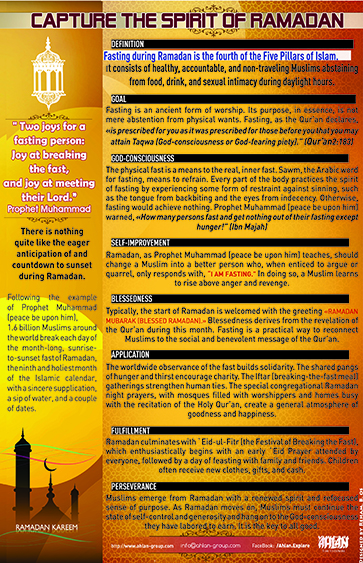
Observing fasting during Ramadan can be introduced to children in a safe and gradual way. Younger kids can start by fasting for a few hours, such as until noon, then gradually extend it as they grow. Rewarding and celebrating their efforts helps children appreciate the discipline and joy of fasting, making it a natural and positive part of their Ramadan experience.
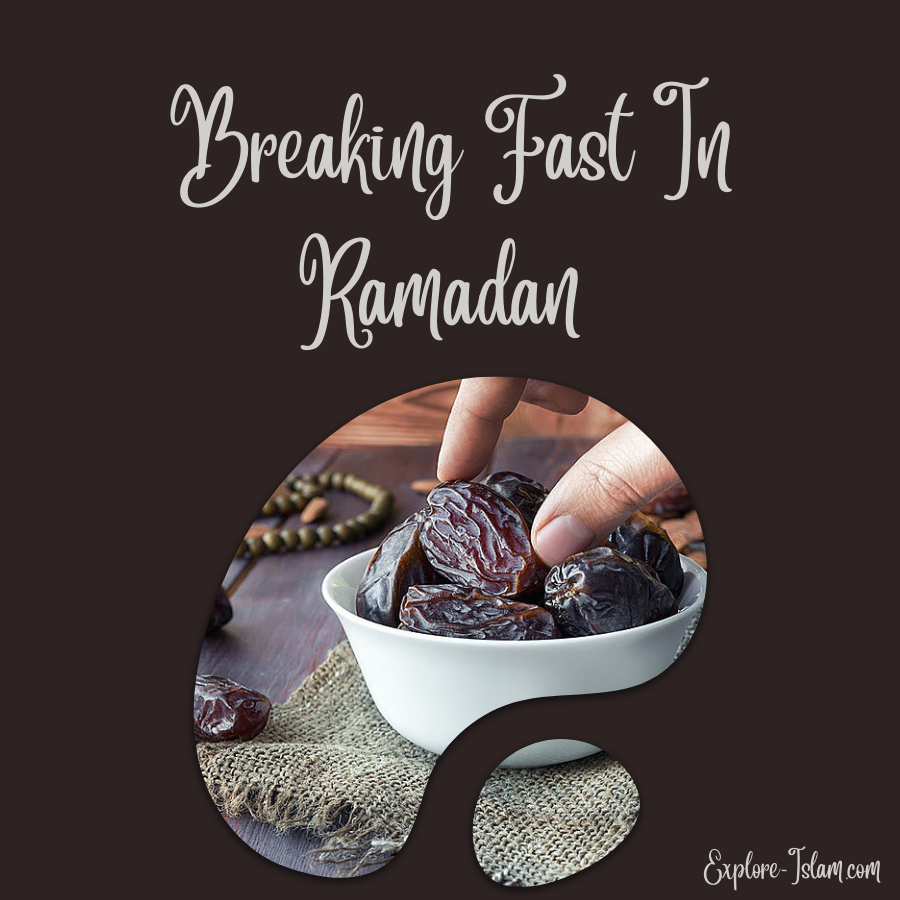
Let children help prepare iftar:
- Setting the table
- Passing dates and water
Explain:
“Breaking the fast is a joyful moment.”
This creates positive emotional associations with fasting.

Participate in Prayer
Including children in daily prayers, especially at the Masjid or family prayer times, helps build a strong connection to worship. Even participating in one night prayer or short prayer routines reinforces the habit and spiritual awareness. Always consider the child’s age and energy, keeping the experience positive and enjoyable.
This gentle exposure allows children to develop comfort with spiritual routines and understand them as meaningful rather than overwhelming.
Read:
Encouraging Good Behavior Through Ramadan Activities for Kids
Good behavior is an essential part of Ramadan teachings and is emphasized strongly in Ramadan activities for kids. Children are encouraged to practice patience, honesty, kindness, and generosity throughout the month. Parents and caregivers play an important role by modeling these behaviors and creating activities where children can apply them in real situations.
Focus on Kids’ Abilities
When planning Ramadan activities for kids, always consider each child’s age, understanding, and temperament. Avoid concepts that are too complex, and remember that planting the seed of faith is a gradual process. Over time, these early lessons will grow naturally as children mature.
Teach Generosity
Ramadan is an excellent time to encourage generosity in children. This can include sharing money, gifts, knowledge, or even simple acts of kindness like smiling. Activities that involve giving to others, appreciating what they have, and expressing gratitude help children develop empathy and a sense of social responsibility.
Practice Patience
Fasting and daily routines in Ramadan provide an opportunity to teach patience and self-discipline. Parents can model patience in everyday situations and gently remind children to stay calm and thoughtful. Observing and practicing patience helps children understand emotional control and reinforces good behavior.
Connect with Family and Relatives
Family connections are especially meaningful during Ramadan. Encouraging children to visit relatives, friends, and neighbors fosters a sense of community, compassion, and love. These interactions help children develop healthy social habits and counteract overly materialistic influences from modern society.
Thus, through daily practice, children learn that good manners are not just rules, but reflections of inner values such as empathy and self-control.
Why Ramadan Activities for Kids Matter
Well-planned Ramadan activities for kids help children develop strong moral values, emotional awareness, and respect for others. Even for non-Muslim readers, these activities highlight universal principles such as purpose, discipline, kindness, and family connection—making Ramadan a meaningful educational experience for children of all backgrounds.
Read:
Related Articles about Ramadan:
Conclusion
To conclude, these Ramadan activities for kids are beneficial for children and parents alike. Remember, these are just examples—the main goal is to plant seeds of faith, understanding, and good behavior in their hearts. Always keep in mind that children are still learning; the purpose is gradual growth, not making these activities compulsory.
Deal with your kids with mercy and compassion, and pick the times when they are most ready to teach them. Peace be with you, and may Allah bless you and your kids and raise them well!
Curious to learn more about Ramadan and why it’s a golden chance to make good use of both for your kids and for you? Start a conversation with our team right now!