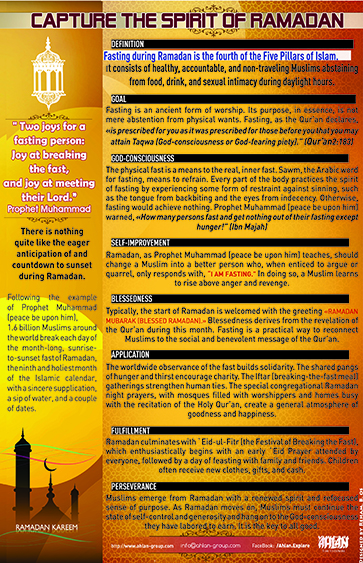
Ramadan is the month of fasting, but is it limited to abstaining from food and drink, or is there another purpose to fasting?
In this article, we will know some aspects and practical tips on how to change in Ramadan. Indeed, Ramadan is a golden chance for any sincere soul seeking salvation and true change starting from strengthening our connection with our Creator, which helps us for self-improvement and control of different aspects of our life.
How to change in Ramadan?
In Ramadan, you’re over your desires for 30 days, you’re over your addiction for 30 days, and you’re over your body’s needs for 30 days.
When you learn to control eating and drinking, even abstain from them, you develop the ability to control what’s less essential. If you can resist desires, you can overcome challenges.
These are some pieces of advice for significant changes resulting from fasting and the Ramadan season:
1. Fasting Ramadan increases self-control: A Cornerstone for Real Change
As human beings, we naturally experience anger at times, but true faith requires us to control our emotions and respond wisely. By this, we develop greater patience, strengthen our self-discipline, and cultivate a deeper connection with Allah, not just during Ramadan, but throughout our lives.
The Prophet (peace be upon him) said:
“Fasting is a shield; so, when one of you is fasting, he should neither indulge in obscene language nor raise his voice in anger. If someone attacks him or insults him, let him say: “I am fasting!”
(Sunan Abi Dawud 2363; authenticated by Al-Albani in Ṣaḥīḥ Abi Dawud).
Some Related Articles about Ramadan:
2. Improve Psychological Well-being through true fasting
Fasting that makes a significant change extends to the full concept of avoiding sins and what displeases the Almighty One God. Ramadan teaches us to strengthen our endurance, not just physically, but also spiritually and psychologically. Fasting reminds us of our dependence on Allah, encouraging patience, self-discipline, and trust in His wisdom. Being grateful to Allah and bearing patience is the key to a well-balanced life and mental well-being. Fasting also strengthens self-confidence because you see yourself acting in the way you intended.
3. Fasting awakens our awareness of our Creator, resulting in self-management and success
Fasting in Ramadan reminds us that Allah is always watching over us–an important meaning to help a dramatic change for the Muslim life and soul in Ramadan. Any real change starts from inside the person, not from outside laws.
In Ramadan, we have the opportunity to strengthen our connection with Allah, purify our hearts, and prepare for the ultimate journey, our return to Him.
4. Reciting the Quran in the month of the Quran has a significant effect
Ramadan is when Allah (The Creator of heavens and earth) revealed the Quran. So, there is a pearl of divine wisdom in linking Ramadan with the Quran, Allah says:
“The month of Ramadhan [is that] in which was revealed the Quran, a guidance for the people and clear proofs of guidance and criterion.”
Fasting reduces your distractions, consequently softens the heart and makes it more receptive, so you can understand, feel and respond to the commands of the Quran.
The Quran is a guide for all humanity, the Muslim and the non-Muslim. Really, the Qur’an is the most glorious book. It’s an important cause to change one’s life for the better.
Start your journey of discovering the Quran messages today for a real change!
5. Supplication in Ramadan is a powerful tool of change
One of the powerful miracles of Ramadan is answering the supplications. It’s time to come closer to your Creator and to ask Him for your needs in addition to guidance.
When Allah speaks about the rulings of Ramadan in the Quran, he gives us this Verse in between to indicate this meaning:
“And when My servants ask you, concerning Me – indeed I am near. I respond to the invocation of the supplicant when he calls upon Me. So let them respond to Me and believe in Me that they may be guided.”
Read also:
6. Increasing Prayers: Qiyamull-layl and Tahajjud.
Tahajjud is a sort of recommended / voluntary prayer; a Muslim performs it at night or especially after some sleep, to please God ‘Allah’. While Qiyamull-layl is a wider term than tahajjud. It is to conjoin one or more of a group of worship acts at night; prayer ‘Salah’, reading the Quran, and remembrance of Allah ‘Thikr’.
Read more:
7. Give the needy and thank Almighty God
Ramadan is also a month of charity. Feeding the poor and needy is highly recommended during Ramadan. And while living their struggle, you break the walls of stinginess.
Ramadan reduces the gap between the rich and the poor on an annual basis, which makes a better community.
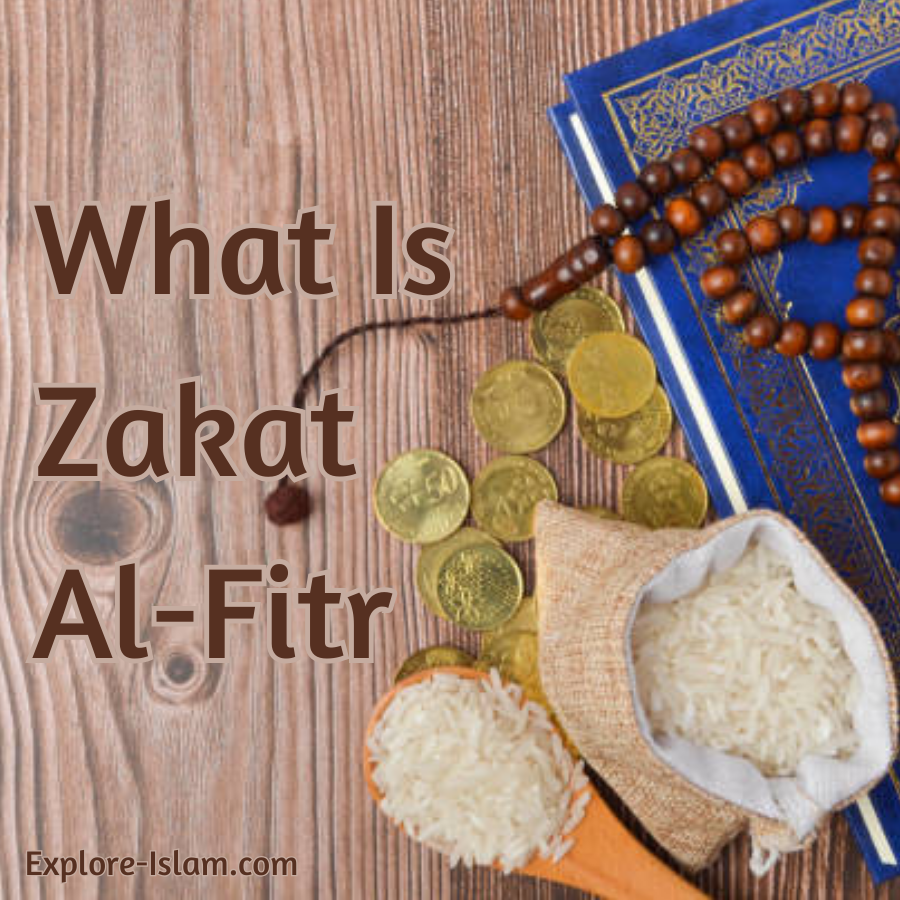
There’s even an obligatory charity that one has to give to the poor before the end of Ramadan. It’s called Zakat-Elfitr.
No one should be hungry at the end of the blessed month!
When we give, we also give thanks. –We thank Almighty God for providing for us and giving us countless blessings.
Remember, the one who created you gave you all that you have. So thank Him.
Conclusion
In this article, we showed the purpose of fasting, and we presented some of the good personality changes resulting from fasting.
The article also included how fasting strengthens our connection with Allah, describing the ways to fulfill this strong connection.
If you still have questions on how to seize Ramadan for changing your life or any other questions, don’t hesitate to contact us now.