Think fasting in Ramadan is rigid and restrictive? In reality, Islam provides a thoughtful system of allowances and expiation. Understanding the rules of breaking fast in Ramadan involves knowing what invalidates a fast, who is allowed to break it, and how to make up for missed days. Clear exceptions exist for travelers, the sick, and women during menstruation or postnatal bleeding, with a compensation system designed to balance discipline with practicality.
This guide also explains the serious consequences of breaking a fast without a valid excuse, and the steps required to restore both spiritual and physical integrity while observing Ramadan correctly.
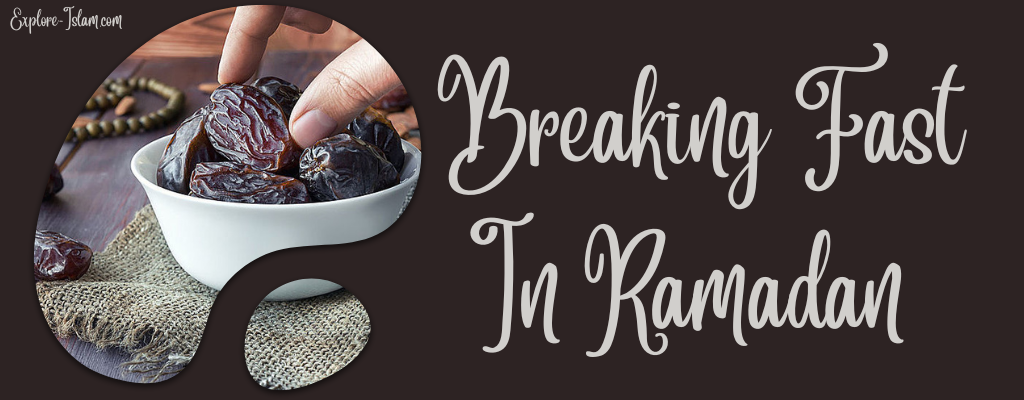
Breaking Fast in Ramadan
Fasting in Ramadan is abstaining from specific acts during daylight hours, primarily eating, drinking, and sexual intercourse. Understanding what breaks the fast, what is disputed, and what does not is essential for observing Ramadan correctly.
Acts That Break the Fast by Consensus
Scholars agree that the following five acts break the fast:
- Eating and Drinking
- Acts similar to eating and drinking, such as smoking
- Sexual intercourse between spouses
- Masturbation or zina (adultery)
- Menstruation or postnatal bleeding (for women)
Fasting is mainly about fully abstaining from these acts. Anything similar in meaning—like masturbation or smoking—is also considered a fast breaker. Women cannot fast or pray during menstruation or after childbirth, but they must make up the missed fasting days before the next Ramadan.
The mother of the believers, Aisha (RA), said:
“At the time of the Prophet ﷺ we were ordered to make up for fasts and not ordered to make up for prayer.”
This highlights a general principle in Islam: Allah only commands what is feasible. Fasting missed days can be made up more easily than prayer.
Disputed Cases That May Break the Fast
Some acts are debated among scholars:
- Intentional vomiting
- Bleeding from cupping (Hijama)
- Medical injections (especially those entering an artery or providing nutrition)
Opinions vary because the evidence is not explicit. When in doubt, it is recommended to follow the cautious path and avoid the uncertain to maintain the fast.
Acts That Do Not Break the Fast
Many actions are permissible, showing the mercy of Allah:
- Eating or drinking by mistake (forgetting you are fasting)
- Wet dreams
- Kissing your spouse
- Foreplay, as long as it does not reach climax or penetration
- Nighttime eating and drinking, after sunset until dawn
Historically, early Muslims could only eat between the last two prayers and sometimes fasted consecutive days without breaking for night meals. Allah’s mercy extended the allowed eating period from sunset to dawn, making fasting easier.
Therefore, breaking the fast in Ramadan is clearly defined for most cases, with some disputed scenarios requiring caution. Understanding these rulings helps maintain the spiritual and physical integrity of your fast while following the mercy and guidance of Allah.
Read also:
Who Is Allowed to Break Their Fast in Ramadan
Islam provides clear guidance on those who are permitted to break their fast during Ramadan due to hardship or valid reasons. These exceptions reflect Allah’s mercy and the principle that with hardship comes ease.
Those Allowed to Break the Fast:
- The Sick: Individuals whose health may worsen or be endangered by fasting.
- The Traveler: Those undertaking long journeys that make fasting difficult or harmful.
- Women During Menstruation or Postnatal Bleeding: Women experiencing their period or bleeding after childbirth are exempt and must make up the missed fasts later.
Allah says:
“Allah only wills ease for you and does not will hardship for you.”
This verse highlights a fundamental Islamic principle: Allah’s laws are designed to be practical and compassionate, ensuring that fasting does not become a source of harm for those facing genuine difficulties.
- Eating rules during Ramadan
- Benefits of fasting during Ramadan
- How to lose weight during Ramadan
- Ramadan Habits
Expiation (Kaffarah) for Breaking Fast in Ramadan
Breaking the fast in Ramadan, whether intentionally or due to valid excuses, carries specific rulings in Islam. Understanding the categories and required expiation (kaffarah) ensures that the fast’s sanctity is preserved.
1. Making Up Missed Fasts for Valid Excuses
Even those permitted to break their fast, such as the sick, travelers, or menstruating/postnatal women, must make up the missed days before the next Ramadan:
- Sick or traveler: If capable of fasting later, they must make up the missed days. If unable due to a long-term illness, they must feed a needy person for each missed day as compensation.
- Women during menstruation or postnatal bleeding: Only need to make up the missed fasts; no feeding is required.
Food compensation (amount of breaking fast expiation):
- Measured by volume, not weight.
- Valid portion: two full scoops using both hands, given from common staple foods like rice, dates, or wheat.
2. Intentional Breaking of the Fast with no excuse
Intentionally breaking a fast in Ramadan is a major sin in Islam:
- Fasting is the third pillar of Islam and a symbol of obedience to Allah.
- While breaking it does not render someone a non-Muslim, it is grave and dangerous, requiring sincere repentance.
Steps for expiation and repentance of intentional breaking:
- Repent sincerely: Return to Allah with honest remorse and resolve not to repeat the sin.
- Make up missed days: Fast the same number of days missed.
- Feed the needy: Provide kaffarah by feeding a poor person for each day broken, following the same volume rules as above.
- Check your intentions: The acceptance of repentance depends on the sincerity of the heart and genuine remorse.
Therefore, expiation in Ramadan balances mercy and accountability. Allah provides allowances for those who face hardship, while deliberate violations require both fasting and charity to restore the spiritual integrity of the fast.
Read also:
Conclusion
To conclude, understanding breaking fast in Ramadan with expiation is essential for observing Ramadan correctly while balancing discipline, mercy, and practicality.
- What breaks the fast: Eating, drinking, sexual intercourse, masturbation, and menstruation/postnatal bleeding for women. Disputed cases include Intentional vomiting, cupping (hijama), and medical injections—scholars differ; caution is advised.
- Acts that do not break the fast: Unintentional eating or drinking, wet dreams, kissing or foreplay (without climax) between spouses.
- Who can break the fast: Sick, travelers, and women during menstruation or postnatal bleeding.
- Expiation for allowed breaks: Make up missed days; if unable due to long-term illness, feed a needy person per day.
- Breaking fast without a valid excuse: Considered a major sin; requires sincere repentance, making up missed days, and feeding a needy person if capable.
Sins like lying or backbiting don’t break the fast, but may nullify its reward; make Istighfar regularly and purify your fasting. Fill your days with good deeds and make them count, as you never know if they would be your last. Curious to know more about Ramadan and Islam-related topics?! Subscribe to the Explore-Islam newsletter for more updated topics!