Want to lose weight during Ramadan without compromising your fast or energy? Though losing weight during Ramadan isn’t one of the main goals of Sawm (fasting), it is completely lawful to pursue strategies to stay healthy and fit, as maintaining health is one of the Five Main Goals of Islamic Sharia.
In this article, we will discuss ten main strategies to achieve reasonable weight loss during Ramadan while maintaining energy throughout the day, based on the guidance of the Sunnah of the Messenger ﷺ and modern medical recommendations. Here are the ten suggested strategies on how to lose weight during Ramadan:
1. Creating a caloric deficit to lose weight during Ramadan
The best way to control or lose weight during Ramadan is by CREATING A CALORIC DEFICIT that may be accomplished by:
- Decreasing calorie intake
- Increasing daily activity and exercise to burn more calories consumed
- A combination of both strategies which is the smart way to get satisfactory results.
So in short, to lose weight during Ramadan, it is best to create a caloric deficit by combining both strategies: decreasing calorie intake and increasing daily activity to burn more calories consumed and stored fat.
Read also: What is Ramadan?
2. Set a Realistic and Attainable Weight-Loss Goal in Ramadan
When aiming to lose weight in Ramadan, setting a realistic and achievable goal is key to long-term success. Targeting a weight loss of 2 to 5 kilograms during Ramadan is reasonable for most people and helps prevent frustration or disappointment. Sustainable progress, not rapid loss, leads to healthier results and better consistency throughout the month.
3. Follow Doctors’ and Nutritionists’ Advice for Balanced Meals
Health professionals recommend structuring iftar meals to support weight loss in Ramadan by starting with fiber-rich vegetables, such as salads, followed by a moderate protein portion, and finishing with a reasonable amount of carbohydrates and healthy fats. This order helps control appetite, stabilize blood sugar, and reduce overeating.
For balanced nutrition, experts suggest the following calorie distribution:
- Protein: 10%–35%
- Carbohydrates: 45%–65%
- Fat: 20%–35%
Following this approach allows you to enjoy Ramadan meals while maintaining calorie control and supporting healthy weight loss.
Learn more about Ramadan: Hadiths and Quran Verses about Ramadan
4. Use Smaller Plates to Control Portions in Ramadan
If your goal is to lose weight in Ramadan, controlling portion sizes at iftar is essential. One effective and research-backed strategy is using smaller plates instead of large ones and avoiding placing the entire serving pot on the table. Serve your meal in a modest portion and focus on eating slowly and mindfully.
Using smaller plates helps train your brain to feel satisfied with less food, reducing the urge for second servings and unnecessary calories. Slow chewing also improves digestion and allows your body to recognize fullness, making weight loss during Ramadan more achievable and sustainable.
5. Follow the Sunnah of the Messenger PBUH while Eating
Follow the Sunnah of the Messenger PBUH while eating to make the best of Ramadan worship wise to be amongst those who win the best rewards for it Inshaa’ Allah, in both this life and the afterlife. For example:
- Do all the established Sunnah of daily prayer and Taraweeh as well as Qiyam as regularly as possible.
- Do not fill your stomach with lots of food because a full stomach leads to laziness and low energy.
- Delaying Suhur (pre-dawn meal) and hastening Iftar (to break fasting) is a great way to have a healthy day and night during Ramadan.
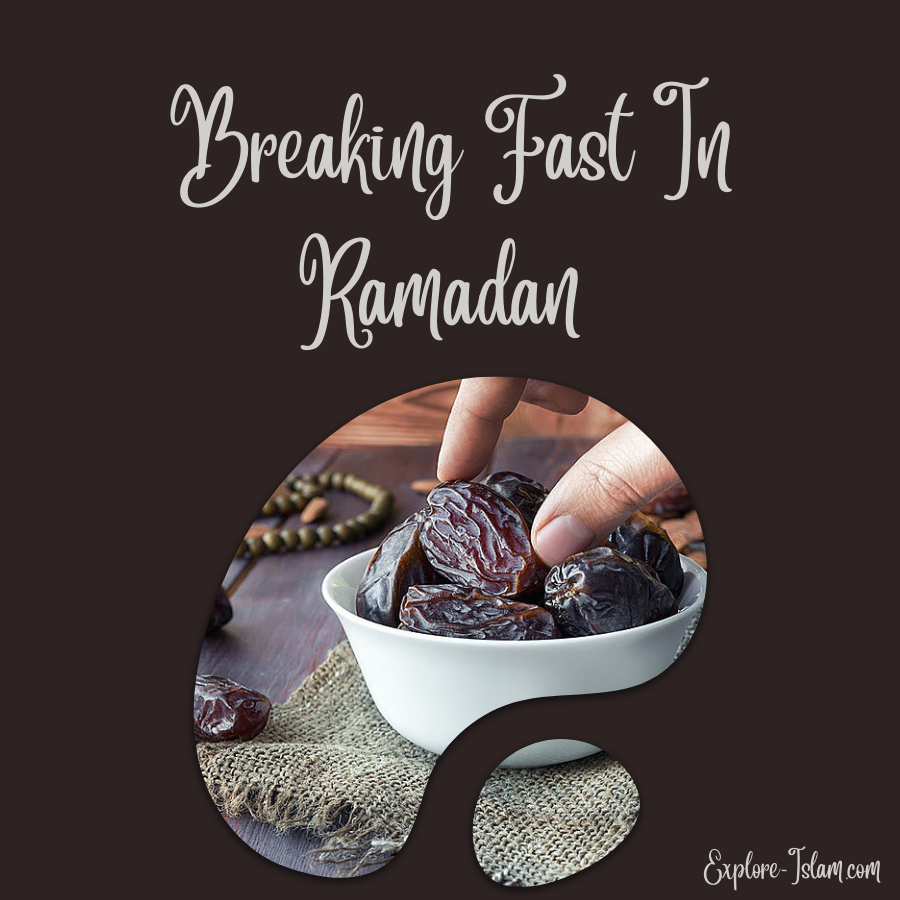
- Breaking your fast with dates or water to have a slow increase in your blood sugar breaking your fast, do your Maghrib prayer then eat your Iftar meal.
- Having dates and some yoghurt is a great Suhur along with any protein source and limited salt amount is always a satisfactory way to maintain energy levels throughout your day of Sawm.
- Slow chewing and eating while gathering for meals with family and friends is the Sunnah so try it.
Read more: Rules of eating during Ramadan
6. Avoid Ready-Made Salad Dressings
If you want to lose weight in Ramadan, avoid store-bought salad dressings, which are often high in calories, unhealthy fats, salt, and preservatives. Instead, choose simple and natural options such as olive oil with fresh lemon juice, which provide healthy fats without unnecessary additives.
Read also:
7. Stay Well Hydrated Between Iftar and Suhoor
Hydration is essential for fat burning and metabolic balance during Ramadan. Drinking enough water between iftar and suhoor helps keep your body’s biological processes running efficiently and supports appetite control throughout the fasting hours.
8. Don’t Shop or Plan Meals While Hungry
Avoid grocery shopping or meal planning when you are hungry, especially before iftar. Hunger often leads to overbuying and overeating, making weight loss in Ramadan more difficult to maintain.
9. Maintain Healthy Sleep Patterns
Both oversleeping and lack of sleep can disrupt your metabolism and push your body into fat-storage mode. Aim for balanced, consistent sleep to support hormonal balance and healthy weight loss during Ramadan.
Read also: Ramadan For Non-Muslims
10. Choose Natural, Whole Foods
For effective weight loss in Ramadan, focus on natural foods. Fill your meals with vegetables, fruits, and quality protein sources, and limit fast food, processed snacks, preserved foods, excess spices, and refined sugar. Natural eating supports digestion, energy levels, and sustainable fat loss.
11. Include Moderate Exercise in Your Routine
Exercising during Ramadan is essential for weight management and overall health, but it should be done in moderation and at efficient times. Even staying active through simple movements, like walking, can make a difference. Using a step counter can help maintain motivation and track progress.
Fitness experts recommend exercising at these times:
- 90 minutes before iftar
- After Taraweeh prayers (around midnight)
- Two hours before suhoor
Workouts can include stretching, weight training, cardio, and strength exercises. Consistency and patience are key—regular, moderate exercise helps you burn calories without overstraining your body and prevents frustration or relapses in your Ramadan weight-loss journey.
Read:
Conclusion
In conclusion, to lose weight during Ramadan, the most effective approach is to create a caloric deficit by combining two strategies: reducing calorie intake through mindful, balanced meals, and increasing daily activity to burn calories and stored fat.
The ten strategies shared in this guide are especially effective because they align with the Sunnah of the Messenger ﷺ and the scientifically-backed advice of doctors and nutritionists:
- Eat balanced meals at suhoor and iftar
- Control portions with smaller plates
- Focus on natural food
- Stay hydrated throughout the day
- Exercise moderately at recommended times
- Maintain consistent sleep to support metabolism
- Avoid ready-made dressings, processed foods, and excessive sugar
- Don’t shop or eat while hungry
- Practice patience and consistency in all habits
- Follow a realistic, attainable weight-loss goal
Try these strategies, and share your experience with us on our social media or live chat. May this Ramadan bring you health, discipline, and a unique spiritual experience!