Fasting in Islam is one of the most spiritually enriching practices for Muslims, shaping the mind, body, and soul while deepening a believer’s connection with Allah. Beyond abstaining from food and drink, it is a journey of self-discipline, empathy, and reflection that brings both personal growth and communal harmony.
This guide walks you through fasting in Islam, highlighting its meaning, purpose and benefits, who must observe it and the conditions for exemptions, the pillars that make a fast valid, and what breaks or does not break the fast. You will also learn about obligatory and voluntary fasts, the historical background of fasting, and its unique connection with the Quran and answered supplications during Ramadan, giving you a complete understanding of why this practice remains central in a Muslim’s life.
What Is Fasting in Islam?
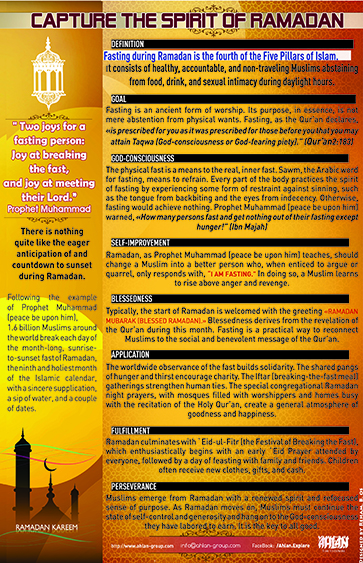
Fasting, linguistically, means to intentionally abstain from something. In Islam, fasting refers to abstaining from all actions that invalidate the fast. It begins at dawn and ends at sunset, accompanied by the intention (niyyah) to fast. Fasting in Islam is an act of worship of Almighty God, in which a Muslim refrains from eating, drinking, and all other things that break the fast from dawn until sunset.
Related Articles about Ramadan:
What Are the Fasting Days in Islam?
Fasting in Islam may be obligatory (farḍ) or voluntary (sunnah). Obligatory fasting is required by Islamic law, while voluntary fasting is recommended and rewarded. Accordingly, fasting days in Islam are divided into two main types: obligatory fasting days and voluntary fasting days.
1. Obligatory Fasting Days in Islam
Fasting during the month of Ramadan is the primary obligatory fast prescribed for every adult Muslim. It is a mandatory act of worship, as clearly stated in Surah Al-Baqarah, verses 183 and 184.
In addition to Ramadan, fasting is obligatory in certain cases of expiation (kaffārah), including:
- Expiation required from a Muslim pilgrim in specific violations during Hajj
- Fasting due to unintentionally killing a person
- Fasting required for a pilgrim who cannot afford the prescribed sacrifice
- Fasting as expiation for breaking an oath
- Fasting as atonement for ẓihār (when a man declares his wife unlawful for him)
- Fasting as expiation for having sexual intercourse during the daytime in Ramadan
2. Voluntary Fasting Days in Islam
Voluntary fasting in Islam includes several recommended days throughout the year, which bring great spiritual reward. These include:
- Fasting the three White Days of each Hijri month (the 13th, 14th, and 15th)
- Fasting Mondays and Thursdays each week
- Fasting six days of Shawwāl
- Fasting the Day of ʿArafah (the 9th day of Dhul-Hijjah)
- Fasting the first nine days of Dhul-Hijjah
- Fasting ʿĀshūrāʾ (the 10th day of Muḥarram)
- Fasting every other day, known as the fast of Prophet David (peace be upon him)
Read also:
What Is the Purpose of Fasting in Islam?
Muslims fast during Ramadan primarily in obedience to the command of Almighty God. Beyond fulfilling this divine obligation, fasting carries profound spiritual wisdom that elevates the soul and positively shapes both the individual and the community.
The primary purpose of fasting in Islam is to develop taqwa (God-consciousness). As stated in the Qur’an, fasting trains believers to remain mindful of Allah, strengthening self-control, moral discipline, and spiritual awareness. Allah clearly mentions this purpose in the Qur’an:
“O believers! Fasting is prescribed for you—as it was for those before you—so that you may become mindful of Allah.”
10 Importance & Benefits of Fasting in Islam
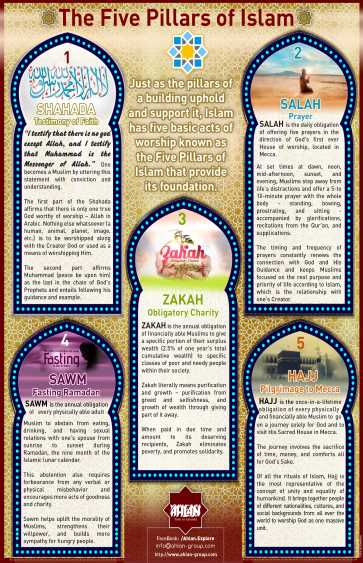
Fasting in Islam holds a unique and elevated status for many reasons. Most importantly, fasting in the month of Ramadan is one of the Five Pillars of Islam, which Allah Almighty loves His servants to uphold. The Messenger of Allah ﷺ said:
“Allah the Exalted has said: … And the most beloved thing with which My slave comes nearer to Me is what I have enjoined upon him.”
— Al-Bukhari
Beyond obligation, fasting carries deep spiritual, moral, and social benefits that uplift the individual and the community.
1. Fasting Is an Act of Worship (The Primary Purpose)
Fasting is a pure act of worship that strengthens a Muslim’s relationship with Allah. It nurtures sincerity, patience, and self-control, while keeping the believer constantly mindful of God throughout the day and night.
2. Cultivating Taqwa (God-Consciousness)
The primary objective of fasting is to develop taqwa. As stated in the Qur’an (2:183), fasting trains believers to remain aware of Allah, strengthening moral discipline and inner restraint.
3. Protection from Hellfire
Fasting acts as a shield that protects the believer from sinful behavior, which ultimately safeguards them from the punishment of Hellfire, as affirmed in authentic Islamic teachings.
4. A Means of Answered Supplications
Ramadan is a special time when supplications are answered. While outlining the rulings of fasting, Allah emphasizes His nearness and responsiveness:
“And when My servants ask you concerning Me, indeed I am near. I respond to the invocation of the supplicant when he calls upon Me.”
This encourages believers to turn sincerely to Allah for guidance and relief.
5. Suppressing Desires and Regaining Self-Control
Fasting helps free a person from enslavement to physical desires, including excessive appetite and sexual urges. It restores control over the self and redirects focus toward spiritual growth and remembrance of Allah.
6. Teaching Patience and Strengthening Willpower
Enduring hunger, thirst, and restraint trains the soul in patience and perseverance, virtues essential for both religious commitment and daily life challenges.
7. Understanding Pain, Suffering, and Social Sympathy
By experiencing hunger and thirst, Muslims develop empathy for the poor and needy. This deepens compassion, humility, and gratitude for Allah’s blessings.
8. Increasing Productivity and Personal Growth
Fasting breaks routine habits and encourages better use of time. Many Muslims experience increased focus, discipline, and motivation to abandon harmful behaviors and adopt positive ones.
9. Encouraging Gratitude and Thankfulness
Fasting reminds believers of the value of everyday blessings often taken for granted. This nurtures gratitude toward Allah, who appreciates even the smallest sincere act of worship.
10. Strengthening the Connection with the Quran
Ramadan is the month in which the Qur’an was revealed to Prophet Muhammad ﷺ. During this blessed time, hearts are more receptive, devils are chained, and engagement with the Quran has a stronger spiritual impact, guiding believers toward self-discovery and understanding the purpose of life.
Thus, while Muslims fast in obedience to the All-Wise Creator, fasting in Ramadan reveals profound wisdom that purifies the soul, refines character, strengthens community bonds, and draws believers closer to Allah.
Read: Hadiths and Quran Verses about Ramadan
What Is the History of Fasting in Islam?
Fasting in Ramadan was prescribed in the second year of the Hijri calendar. Before it became obligatory, Muslims practiced other forms of fasting, such as fasting on the Day of ʿĀshūrāʾ. Fasting was also prescribed for earlier nations in different forms and durations, making it a form of worship practiced since the beginning of humanity. Muslims today fast according to the final form revealed by Allah to Prophet Muhammad (peace be upon him), with clear times and rules defined in Islamic teachings.
For more information about the history of fasting in Ramadan, please read this article: History of fasting in Islam.
Who must fast Ramadan?
Muslim scholars unanimously agree that fasting Ramadan is obligatory for every adult, sane, healthy Muslim who is not traveling.
A woman is required to fast provided she is free from menstruation and postnatal bleeding. Those who are exempt from fasting include the elderly who are unable, the sick, pregnant and breastfeeding women who fear harm for themselves or their child, children who have not reached puberty, and those who are physically incapable due to extreme hardship. Travelers are also exempt while on their journey. Non-Muslims and the insane are also not obligated to fast.
This ruling is supported by authentic Hadiths:
- The following Hadith explains that women who miss fasting due to menstruation or postnatal bleeding are required to make up the missed fasts, but they are not required to make up missed prayers:
“We used to menstruate during the time of the Messenger of Allah ﷺ. We were ordered to make up the missed fasts, but we were not ordered to make up the missed prayers.”
(Jāmiʿ al-Tirmidhī, 787)
- Another Hadith clarifies that children, sleepers, and the insane are exempt from obligations like fasting until they reach the required capacity or awareness:
“The pen has been lifted from three: the child until he reaches puberty, the sleeper until he awakens, and the insane until he regains sanity.”
(Musnad Aḥmad, 940)
What Are the Pillars of Fasting?
Fasting in Islam has two main pillars that must be observed for the fast to be valid:
1. The Intention (Niyyah)
The intention must be made before dawn (Fajr) each day of Ramadan.
Hafsah (may Allah be pleased with her) reported that the Messenger of Allah ﷺ said:
“Whoever does not form his intention to fast before Al-Fajr (the dawn), his fast will not be accepted.”
(Related by the five Imams)
It is not necessary to pronounce the intention verbally. The intention resides in the heart, meaning the Muslim plans to fast the next day by taking Sahur and intending to abstain from all acts that break the fast for Allah’s pleasure.
The Prophet ﷺ also said:
“Actions are judged only by intentions, and every person will have only what he intended.”
(Sahih Muslim, 1907)
2. Abstaining from All That Breaks the Fast
A Muslim must abstain from everything that invalidates the fast—including eating, drinking, and other nullifying acts—from dawn (Fajr) until sunset (Maghrib).
This rule is mentioned in the Qur’an:
“It is made lawful for you to eat and drink until the white thread of dawn becomes distinct from the black thread of night…”
(Quran 2:187)
What Invalidates Fasting in Islam
A fasting Muslim must avoid anything that breaks the fast, as such acts require Qadā’ (making up the missed day). These include:
- Deliberately inducing vomiting.
- Eating, drinking, or smoking intentionally.
- The onset of menstruation or post-childbirth bleeding, even just before sunset.
- Sexual intercourse (whether ejaculation occurs or not) or any sexual act that leads to ejaculation in men or vaginal secretions in women.
- Eating, drinking, or sexual intercourse after Fajr or before Maghrib due to mistakenly thinking it is allowed.
Read more:
Things That Do Not Invalidate the Fast
The following actions are permissible and do not break the fast:
- Taking a bath or shower.
- Using perfumes, contact lenses, or eye drops.
- Medical procedures such as injections or blood tests.
- Using a miswak (toothbrush) or rinsing the mouth and nose with water.
- Unintentional eating, drinking, or smoking (forgetting one is fasting); the fast continues once remembered.
- Sleeping during the day or having a wet dream; the fast remains valid after washing (ghusl) if needed. Similarly, if couples engage in sexual activity before Fajr but cannot perform ghusl immediately, the fast continues and ghusl can be done later.
- Kissing between spouses is allowed, provided it does not lead to full sexual intercourse. Otherwise, it’s prohibited.
Conclusion
To conclude, fasting in Islam, especially during Ramadan, is a vital act of worship that strengthens spiritual discipline, develops God-consciousness (taqwa), and promotes empathy and self-control. It is both a personal and communal practice that has been prescribed for Muslims to purify the soul and follow the guidance of the Almighty One God and the Prophet Muhammad ﷺ.
The article discusses the following ideas:
- Meaning of Fasting: Linguistically, sating refers to abstention, and in Islam, it shares a meaning of stopping from all that invalidates fasting from dawn to sunset.
- Purpose of Fasting: Develop taqwa, strengthen willpower, and draw closer to Allah (Qur’an 2:183).
- Obligatory Fasting: Ramadan and other specific fasts like expiations and vows.
- Voluntary Fasting: Sunnah fasts, including Mondays & Thursdays, the three white days, Ashura, and six days of Shawwal.
- History of Fasting: Prescribed in the 2nd Hijri year, practiced by previous nations, perfected by Prophet Muhammad ﷺ.
- Who Must Fast: Adult, sane, healthy Muslims who are not traveling; with exemptions for the sick, elderly, pregnant or breastfeeding women (if harm is feared), menstruating women, and children.
- Pillars of Fasting: Niyyah (intention before Fajr) and abstaining from all that breaks the fast from dawn to sunset.
- What Invalidates Fasting: Eating, drinking, smoking, sexual intercourse, menstruation, postnatal bleeding, or deliberate acts that break the fast.
- What Does Not Invalidate Fasting: Bathing, using perfumes or eye drops, injections, rinsing the mouth, unintentional eating/drinking, sleeping, wet dreams, or minor acts like kissing between spouses.
- Benefits of Fasting: Spiritual growth, empathy for the needy, self-discipline, health improvement, answered supplications, and increased gratitude. Also, the Qur’an was revealed in Ramadan, making recitation and reflection especially rewarding; supplications are more likely to be answered.
Following are the steps you can follow to touch the difference of fasting more:
- Start to read the Quran to know the purpose of life and to understand yourself and find answers to your existential questions.
- Make intensive supplication asking the Creator to guide you and to help you face your challenge.
Send us a WhatsApp message right now for any further questions!